The future of ODR: what are the benefits and drawbacks of F2F negotiation, and its applicability to future ODR design?

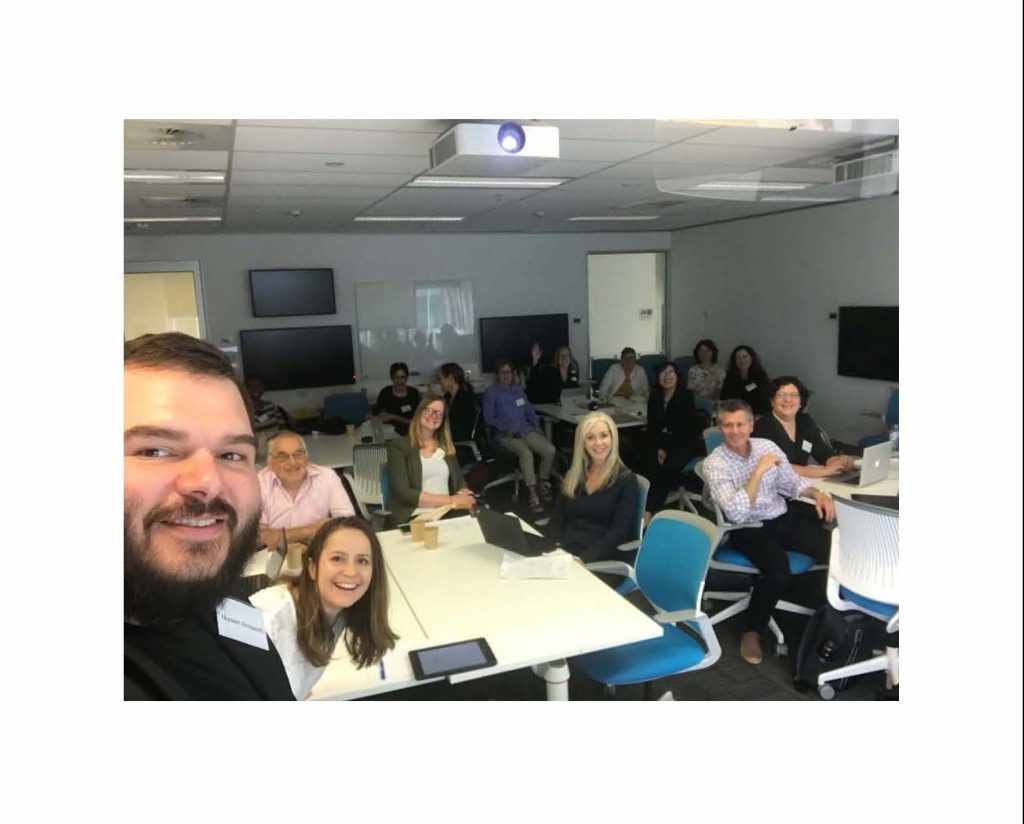
This post is by Dr. Emilia Bellucci, Deakin Business School, whose paper was workshopped at the ADRRN Roundtable at Latrobe University on 9-10 December 2019. This is the first of a series of posts related to the Roundtable.

ODR systems provide support to negotiations by facilitating communication online and in some circumstances even provide solutions to the dispute.  An ODR is considered successful if the outcome represents a similar or better outcome to an ADR process, inferring ODR processes should mimic F2F negotiations.  In a recently published paper (Bellucci et al 2019), my colleagues and I report on an ODR study whereby we replicated Boland and Ross (2010)’s finding that the propensity to resolve a dispute is directly related to the EI (Emotional Intelligence) of disputants.  Boland and Ross’ (2010) study involved F2F (Face to Face) negotiation, whereas our negotiations were conducted online.  Underlying this paper was the assumption that F2F is the preferred format of negotiation, and therefore our findings supported the idea that a successful ODR was one which replicated F2F mechanisms.

In this research I want to challenge this assumption.  Why is F2F negotiation the preferred option for negotiation? Do F2F negotiations achieve better outcomes?

In attempting to answers these questions, we need to understand the seminal differences between communicating electronically and in person. These include the use of verbal and non-verbal cues to express ideas, solutions and feedback. Whilst verbal communication is often supplemented by non-verbal cues, such as body language and facial expressions, I am most interested in the effect of non-verbal communication (which is typically missing in an ODR) on a negotiation. 

Facial expressions (smiles, frowns), crossed arms, learning forward or back, micro expressions are all examples of non-verbal communication.  These expressions, together with the spoken word may reveal a disputant’s joy, anger, sadness, happiness with the negotiation.  Whilst emotions revealed during the negotiation may be used to move a negotiation forward, resolve impasses and settle on amicable solution, they can also be used to deceive and unfairly influence the negotiation.  

Emotions expressed during negotiation vary depending on the context of the dispute, and include nasty emotions (anger, jealousy), existential emotions (anxiety), emotions resulting from positive and negative life events (disappointment, happiness), and sympathetic emotions (gratitude). Research suggests positive emotions tend to contribute positively to the negotiation, while negative emotions contribute negatively to a negotiation. 

In the F2F medium, disputants reveal emotional leakage through verbal and non-verbal cues.  Whilst emotions should not be ignored in negotiation, we should not allow emotions to distance the negotiation away from the issues in dispute. Emotions should be managed so outcomes from a negotiation are reflective of the human experience.

F2F negotiation is preferred for two main reasons: 

  1. F2F is the richest form of communication. It allows for opportunities to clarify interests and positons of the parties and allows for quick feedback and opportunities to reassess options to resolve the dispute successfully. Without F2F, many fear they will accept a solution which may not reflect the best solution. 
  2. Lawyers view ODR with a healthy degree of scepticism, due predominantly to a computer’s lack of creative decision making and inability to understand complex issues. There is a place for ODR as a support to communication (ie video conferencing, email, document management etc) and to resolve small disputes such as in e-commerce (ebay, paypal) where outcomes are set. 

So how can apply the positive aspects of F2F negotiation to an ODR?  Can we have the best of both worlds? 

Here are some ideas for future research: 

  1. ODR can filter language initially by expressing negative emotion to more appropriate language conducive to creating a positive environment. Either the software or negotiators may be asked to soften their language for these purposes. Software can also manage a disputant’s emotional responses by using feedback screens to illicit emotional responses,  after which, the system can deliver responses to help disputants manage their emotion. These designs are in research currently. What may be some of the obstacles to mainstream use? 
  2. Research (one study only) suggests there is no difference between F2F and computer negotiations, specifically relating to how emotion is expressed. People were found to supplement text in ODR with emoticons, capital letters or simply wrote more thoughtfully and clearly to supplement their communication.  Future work may involve the design of an empirical study to compare the effectiveness and communication models of ODR and F2F.
  3. It is perceived that ODR processes do not support the law authentically by providing another avenue for legitimate negotiation. How can we change this perception?  

Dr. Emilia Bellucci is a Senior lecturer in the Department of Information Systems and Business Analytics at Deakin University, Melbourne Australia.  Her major research area is in Online Dispute Resolution Systems with a particular focus on electronic support of family law negotiation and mediations. Emilia completed her PhD in 2004, under the supervision of Professor John Zeleznikow, and resulted in the “Family Winner” computer program which was designed to settle family law disputes. Family Winner was the focus of much media in 2005 with a number of newspaper articles, radio station interviews and television appearances including a win on the science and technology television program, ABC’s “New Inventors”.  

Since then, Dr. Bellucci has conducted research in e-health, small to medium enterprises and has recently returned to Online Dispute Resolution with a renewed passion to make justice (through negotiated outcomes) and ODR accessible to all. Dr. Bellucci has published 16 refereed international journal articles, 3 book chapters and 29 refereed conference papers.  She has attended and presented her research at numerous international conferences and workshops. 

ADRRN Roundtable 2019 – you can join in via Twitter

The Australasian Dispute Resolution Research Network 8th Annual Roundtable starts on Monday 9th December. This year’s organisers are Lola Akin Ojelabi and Jacqueline Weinberg. We will be gathering at the La Trobe University in Melbourne, Australia.

The two day Roundtable is an opportunity to share work in progress and to benefit from generous scholarly attention to presenter’s work.

We know that the work is of interest to many who will not be with us in person. We will therefore be live tweeting next week and sharing posts on adrresearch.net about each of the papers throughout the remainder of December and January. The first was a pre-Roundtable post about Emma Lee and Rosemary Howell’s shared research journey.

On Twitter, you can find us @ADRResearch and this year’s Roundtable will use #ADRRN19. The host institution is @latrobelaw

To whet your appetites, here are the papers being presented on Monday 9th December and Tuesday 10th December 2019. Twitter handles of authors are included so you can connect.

  • Tania Sourdin @TaniaSourdin “Using Technology to support ADR research – the possible and the not so possible (yet)”
  • John Zeleznikow “The Appropriate Design of Online Dispute Resolution Systems”
  • Mary Riley “Potential Cost of Failing to Heal Civilian-Police Relations”
  • Emilia Belucci “Face-to-face dispute resolution and Online Dispute Resolution – Which is preferred?”
  • Joanna Burnett “Social Work in an Adapted Family Law Mediation Program: Literature Review”
  • Tania Sourdin @TaniaSourdin and Margaret Castles “Finding a place for ADR in Pre-action process: South Australian case-study”
  • Becky Batagol @BeckyBatagol “How Can Banks Better Deal with Family Violence Disputes”
  • Laurence Boulle @LaurenceBoulle and Rachael Field @rachaelfield68 “Elections, Politics and Dispute Resolution”
  • Claire Holland @Holland_CL and Tina Hoyer “A case for coaching: How to Measure the Effectiveness of the ATO Coaching Model”
  • Alysoun Boyle @alysounb1420 “Transitional Research Alliance: Innovative Approaches to Mediation Research”
  • Rosemary Howell @RosemaryJHowell and Emma Lee “Reimagining the narrative and its special place in Conflict Resolution using lessons from Indigenous Australians”
  • John Woodward @John_woodward1 “Exploring the relationship between Confidentiality and Disputant Participation in Court-Connected Mediation”
  • Ruth McColl “A discussion on conciliation”
  • Nussen Ainsworth @nussenainsworth and Svetlana German “NMAS and Distinction between process and substance in Court-Connected Mediations”
  • Benjamin Hayward @LawGuyPI “Have post-2009 developments in Australia’s arbitration laws promoted efficient, effective and economical arbitration?”
  • Claire Holland @Holland_CL “Measuring Hope: Levels of Hope in Australian Law Students’ Experience”
  • Mark Dickinson “The Assessment of Suitability for Family Dispute Resolution”
  • Jacqueline Weinberg “Enhancing ADR Teaching and Social Justice Learning in Clinical Legal Education”
  • Dorcas Quek Anderson @DorcasQAnderson “A Matter of Interpretation? Understanding and Applying Mediation Standards”
  • Pauline Roach @Pauline80074936 “Workplace Mediation Model at the Roads and Maritime Services of NSW – 2003-2013”
  • Lola Akin Ojelabi @OOAkinOjelabi “SDG 16 (Access to Justice) and the Singapore Convention”
  • Olivia Rundle @OCRundle, Lisa Toohey @TooheyL and Samantha Hardy @DrSamHardy “Causes of Conflict in HDR Supervision Relationships”

For more information about the Roundtable see the Call for Papers. Please follow us on WordPress or Twitter and look out for the next Call for Papers if you’d like to join the 2020 Roundtable.

The story of a collaborative journey – through the lens of reimagining the conflict narrative using lessons from Indigenous Australians.

Dr Rosemary Howell and Dr Emma Lee

narrative 2

Picture credit: Creative commons presencing.org

The annual ADR Research Network’s Roundtable is a welcoming, safe place for academics in the conflict resolution space to share new ideas about research, explore different ways to join the dots and gain constructive peer feedback about structure and substance.

It was the prospect of this environment that encouraged the two of us to take the next step of exploring the ideas we first shared in our Kluwer Blogpost in July this year. That post drew on an ABC News story about Dr Lee and the remarkable dispute resolution process – ‘love-bombing’ – which was part of the movement to reset the relationship between Aboriginal Tasmanians, government and the broader public.

That was our first effort at collaboration.

Coming from very different academic disciplines and cultural perspectives, we saw the blog as a cautious first step in developing our professional relationship and a beginning to our joint exploration of the potential for a new approach to dispute resolution built on lessons to be learned from our First Peoples.

The response to this first step was encouraging and affirming. We continued to build our own working relationship with the idea of developing a more formal and academic framework for the ideas we were workshopping.

We proposed to the organising committee of the Roundtable that we would develop a piece of work titled ‘Reimagining the narrative and its special place in Conflict Resolution using lessons from Indigenous Australians.’

As the central themes of our paper we identified some important elements of conflict resolution that are missing from the literature namely:

  • we have failed to undertake significant research to explore and identify the persuasive role of the narrative in conflict resolution; and
  • we have overlooked the resources of our First Peoples whose oral tradition has provided masterful examples of narrative power

Unsurprisingly, mainstream mediation (which is dominated by mediation in the shadow of the law) adopts a mediation approach dominated by facts and legal arguments where parties are silenced and their narratives unrecognised and unheard. The narrative does not feature and has been consigned to the box in which narrative mediation resides – sidelined as a specialised field of mediation and never to emerge as narrative in mediation.

Research from many fields demonstrates that the narrative is important.

In our paper it was initially our intention to present research from the fields of education, psychology and the social sciences demonstrating the significance of the narrative and the cost of its absence in conflict resolution research.

Our collaboration took us to an entirely different place.

Over the course of our many interactions we came to appreciate the absence of an intersection between the worlds we occupy and between our cultural experiences. It became very clear that if this collaboration were genuinely to add a new piece to the dispute resolution narrative we needed to proceed very slowly and respectfully. It was not an outcome that would arrive fully formed as the result of simply combining our work.

It was remarkable to discover that the expectation that the Roundtable would offer a safe space to present ideas was not shared by both of us. Before proposing our paper we had not recognised and explored the extent of our differences. It became clear this was what we needed to do before we could produce any formal outcome from our collaboration.

So the formal, linear discipline and process of writing about conflict resolution emerged as an impediment. It did not offer a safe way to explore and learn from the conflict resolution learnings springing from unimaginable suffering and cultural appropriation experienced within the framework of an oral tradition. It was a revelation to us both that we could not just assemble our own learnings about the narrative into a single formal document.

We realised that if we were going to find a way to join our stories we needed to slow down the collaborative process. We agreed, with support from the organising committee, that our presentation would be in two parts. The first part would lead participants through the initial concept of the paper – setting the scene for the role of the narrative and why it matters. It would then begin to explain how the collaboration process showed us we needed to do things differently.

Dr Lee would then join the conference via a pre-prepared video in which she explains her perceptions around safety and cultural sensitivity and delivers an invitation to the academics present to support the journey of collaboration that has begun.

We are hoping that the commentators assigned to the session will create a space where the audience engages in contemplating the value of the journey and develops an appetite to discover what the next steps will be.

The authors

Emma Lee

 Dr Emma Lee

Dr Emma Lee is a trawlwulwuy woman of tebrakunna country, north-east Tasmania, Australia.  She is an Aboriginal and Torres Strait Research Fellow at Centre for Social Impact, Swinburne University of Technology.  Her research fields over the last 25 years have focused on Indigenous affairs, land and sea management, policy and governance of Australian regulatory environments.  Dr Lee has published in diverse journals ranging from Biological Reviews to Annals of Tourism Research.  She is the 2018 recipient of the University of Tasmania’s Foundation Graduate Award and has won prestigious fellowships to study in Europe and Asia.

rosemary

  Dr Rosemary Howell

Dr Rosemary Howell is a Professorial Fellow at the University of New South Wales and a Senior Fellow at The University of Melbourne. She has studied Negotiation and Mediation with the Harvard Faculty and worked as a Teaching Assistant to Professor Roger Fisher at Harvard and during his Australia-wide training programs.

Her doctoral work explored ‘How Lawyers Negotiate.’

She has a particular interest in developing experiential learning models for the teaching of Negotiation and Dispute Resolution which draw heavily on the role of the narrative.

Coming Soon—suite of North American GPC reports

Written by Danielle Hutchinson. First posted on the International Mediation Institute  Blog in November 2019.

NA globe

Initiated by IMI, the GPC Series 2016-17 was a collection of 28 conferences held in 22 countries across the globe. It was conceived as an opportunity for members of the commercial community to come together and engage in dialogue about commercial dispute resolution (DR), as well as collect actionable data that could be used to challenge the status quo.

A suite of eight GPC North America reports has been created as part of an IMI project funded by the AAA-ICDR Foundation. These reports focus on the findings from the data collected at GPC events across North America between 2016-17. All the reports will be made available on the IMI website.

The GPC North America suite of reports present findings from data that has never been analyzed before.

Clear features of each city have become apparent and similarities and differences between jurisdictions have surfaced. Distinct and actionable recommendations in relation to the findings have emerged. These recommendations have the potential to make a significant impact on the future of commercial DR in North America.

Some results may be expected. Others may be quite surprising.

There are seven reports that present local findings for each city that hosted a GPC event in North America. Each of these reports explores the characteristics of users of DR in each jurisdiction, how the market responds to their needs, obstacles and challenges facing commercial DR and provide a vision for the future.

The final regional report is the culmination of the findings and provides a comparative analysis of jurisdictions across North America.

The complete suite of reports includes:

  • The GPC Austin Report
  • The GPC Baltimore Report
  • The GPC Los Angeles Report
  • The GPC Miami Report
  • The GPC New York Report
  • The GPC San Francisco Report
  • The GPC Toronto Report
  • The GPC North America Report

We look forward to your response to these reports in the ongoing Global Pound Conversation and thank the delegates at the North American GPC events for providing the insights that may prompt us to challenge the status quo.

For further information about the GPC and its supporters please see under ‘Research’ in the main menu above. Learn more about the GPC >.

 Process design: driving the bus with your client

As editor of the Blog for November, I have invited ‘pracademics’ and leaders in the field of ADR to contribute a blogpost to share the interesting work they are doing.

Our third guest is Catherine Davidson, who has practised as a commercial litigator and mediator both nationally and internationally. Catherine has mediated over seven hundred commercial and workplace disputes. She is a trainer for the ADC and has delivered negotiation and mediation workshops in a number of law schools in India and China.

I invited Catherine to write a piece about her work in designing collaborative commercial processes to meet the both the needs of her clients and the outcomes sought.

Over to you, Catherine…

bus

by Catherine Davidson

This blog is a reflection on working collaboratively with two separate clients in terms of co-designing the process, documentation and roles.

I had a week where I was approached by two clients wanting commercial facilitation. Interestingly both came from the major project space and each was made up of multiple parties. They both wanted a collaborative process and signalled they were street smart about how to approach disputes from the outset.

Seeing the design of the process as a two-way street, I ‘jumped on the bus’. I now share what I noticed and what we did.

Case Study 1

The first approach was by the engineer who was one of the four parties to a Project Development Agreement (PDA) for a hydroelectric scheme. The project was at its very early stages. The relationship with one member of the consortium had broken down, the others were of the view that this party had not delivered on its obligation to secure the land for the project.

Trust had broken down. Attempts to negotiate independently had failed.

They all agreed that one party’s interest needed to be ‘sold’ to the others or vice versa, so the landowner could then pursue the project. Unfortunately, perceptions about the commercial value of the project had been a major issue.

Reshaping the existing relationship was key to the commercial outcome for the project.

This client actively collaborated in the design of the process. He invited me after initial discussion to do a ‘reverse brief’ scoping process, documentation, timing and costs. There were to be no lawyers at the facilitated meeting.

We edited my Facilitated Meeting Guidelines document so he could insert language that was specific about intention — ‘with a view to resolving how the parties will proceed with the project; independently via one party buying the other’s interests or together’. I noted he had been quite specific about the options for resolving. And suggested it might be helpful to add a sentence that includes “or as the parties might otherwise agree” in order to leave scope. This invitation was declined and spoke to client need for autonomy.

Expectations about individual engagement were also explicit ‘with a view to achieving a mutually acceptable commercial conclusion to the current misalignment.’

There was similar collaboration when designing the process. After the shape of the preliminary meetings was agreed a clear expectation was set that we would only proceed to the next stage of a group meeting if each party had indicated a “sufficient intent to get a deal”. It was also agreed that during the face to face meeting we would document agreement as it developed.

Case Study 2

The second approach was from the lawyer for one of the parties to a Contractor Joint Venture for a commercial project involving a contract for the supply of a product found to be defective.

In requesting the facilitation, she highlighted her client wanted repair of the defective product under obligations in the contract. She felt a facilitated meeting with all parties and lawyers while the Director of the foreign supplier was visiting Australia could be a ‘circuit breaker’ for the dispute which was ‘brewing’. The defective product was fundamentally important to the construction of the project, so preservation of this relationship was key. This lawyer was experienced in these kinds of disputes was on the front foot about timing and tailoring an opportunity that could accommodate an ‘emotional’ party.

This client was also very clear about the purpose of the facilitation process. She expressed a desire to understand why the supplying party — a long-established family company — consistently had an emotional response to requests under the contract. She wanted to link the potential of that understanding with ways to preserve and improve the contractual relationship. The language of the Guidelines document remained more open and she prioritised the meeting as an essential part of the supplier’s visit. Timeframes were tight and having everyone cooperate to make time was a challenge with long lines of delegated authority autonomy was an issue.

Reflections

There was a common driver that saw both name commercial facilitation as the desired process.

Both disputes arose from what Geoff Sharp calls relational contracts where the “contracts are underpinned by a relationship requiring more than simply what is written in the contract – and often it is that trust and confidence is vital for the business of the contract to work” (Sharp, 2019).

Some of the nine specific characteristics of a relational contract were referenced in the language of expectation used by both clients.

These two experiences of ‘street smart’ or what has been identified in previous blogs here as dispute-savvy clients meant I was able to design a sophisticated process to meet their needs (Litchfield & Hutchinson, 2016).

Both clients were very pragmatic and practical about their limitations as outlined and communicated regularly with me. Each sought practical ways to manage hurdles in the process design. The bigger picture was always about the commercial success of both projects.

Working with clients in an organic and client-led way, I found these collaborative experiences engaging and fulfilling. Working with clients who are agile and proactive is refreshing. I asked for client feedback and was pleased to note appreciation of the “sophistication of approach” and that I was “client-focused and responsive”. I later stumbled upon the Mixed Mode Taskforce checklist of criteria for mixed modes process design. I recommend this very helpful checklist for all those interested in working collaboratively to design commercially viable dispute resolution processes for dispute-savvy clients.

Webinar Alert: Co-Creating Mediation Models: Adapting mediation models when working across cultures.

Australasian Dispute Resolution Research Network member Claire Holland will deliver a webinar for Mediators Beyond Borders International (MBBI) in December. Please register by the link below if you are interested to join.

Join our conversation on Co-creating Mediation Models: Adapting Mediation Practices When Working Across Cultures by Claire Holland on Thursday, December 5, 2019, at 5:00 PM ET. In this webinar, Claire will discuss mindful approaches to meeting the needs of the participants of the mediation process.

Click here to learn more and to register.

Claire Holland is the Director of the James Cook University Conflict Management and Resolution Program, a Nationally Accredited Mediator under the Australian Standards, a mediator for the Queensland Civil and Administrative Tribunal (QCAT), and a certified conflict coach with Conflict Coaching International.

Mediators Beyond Borders International works to bring mediation and peace skills to communities around the globe so that they can, in turn, build a more peace “able” world. To this end, MBBI organizes initiatives to address three essential objectives: Capacity building, promoting mediation through advocacy, and delivering consultancy services.

Collaboration and Mediation with the Unwilling: “Bringing the Horse to Water”

As editor of the Blog for November, I have invited ‘pracademics’ and leaders in the field of ADR to contribute a blogpost to share the interesting work they are doing.

Our second guest is Marguerite Picard who developed the MELCA Method – a collaborative approach to Family Dispute Resolution. Marguerite is an Accredited Family Law Specialist who teaches collaborative practice, and presents in Australia and internationally. She is a member of the international and federal collaborative practice associations (IACP & AACP) and president of the Victorian Association of Collaborative Professionals.

I invited Marguerite to write a piece about her work in Collaborative Practice.

Over to you, Marguerite…

horse Marguerite

By Marguerite Picard

Well-meaning lawyers everywhere are familiar with the game of chasing ex-spouses round and round, to bring them to the negotiating table to reach a settlement. It is frustrating and costly.

An ex-spouse might be afraid because of issues of power, control and violence, or they may not have had the support or the time to move towards accepting the end of the relationship. There are many other reasons why people dread the thought of any form of divorce negotiations. Working out practical arrangements at the end of a marriage or relationship isn’t something anyone looks forward to. We can all understand these realities.

However, there are very good reasons for people to engage in self-determined conversations about arrangements for their children and their property after separation, because the research tells us that people who make their own decisions, with or without facilitation, are overwhelmingly the happiest with the outcomes. Perhaps, if people recognised that reality, they would not run the risk of other people making decisions for them, as a result of their refusal to have sensible and early conversations.

The 2018 Report of the Family Court tells us that 20,000 applications are issued in the court each year. As it happens that number represents only some 30% of separating couples.[1]. It seems that the majority of couples know that a court is not the place to be, although how much of that is about being priced out of legal services is unknown.

There has been a decrease in the number of court applications for children’s matters since 2006, which reflects the establishment of Family Resolution Centres. It has been shown that 73.6% of couples show high levels of satisfaction with this form of mediation. [2]

Of those who have no assistance with negotiations about children’s living arrangements, 89% are satisfied with the arrangements they make. [3]

It is property matters that now dominate the caseload of the Family Court, which is due mainly to the Court gaining jurisdiction over de facto property matters in 2009 (Victoria).  It is interesting and telling that people find it easier to co-operate about their children than they do about their money.

[1] Kaspiew, Moloney, Dunstan and De Maio: ‘Family Law Court Filings 2004-5 and 2012-13’ (2015).

[2] Kaspiew, Gray, Weston, Moloney, Hand & Qu: ‘The Australian Institute of Family Studies Evaluation of the 2006 Family Law Reforms: Key findings’ (2009).

[3] Kaspiew, Gray, Weston, Moloney, Hand & Qu: ‘The Australian Institute of Family Studies Evaluation of the 2006 Family Law Reforms: Key findings’ (2009).


If you would like to contact Marguerite or find out more about Collaborative Practice, please visit her website.

Early intervention – an encouraging case study.

I am re-posting Dr Rosemary Howell’s Kluwer Mediation blogpost from September. It is an important indicator of how sophisticated ADR has become. No longer simply an alternative to litigation, but also an embedded mechanism that supports employee self-determination as early as possible before workplace issues escalate.

Thanks for sharing, Rosemary!

By Rosemary Howell

Mediation is certainly featuring in the international news right now.

This week Giuseppe De Palo posted an enthusiastic message about workplace conflict resolution. He congratulated the Office of the Ombudsman for UN Funds and Programmes as it prepares to establish a world-wide panel of mediators to make mediation “the first, natural step to take in pursuing informal resolution to workplace conflict”.
This is an achievement to be celebrated. However, it is disappointing that early intervention processes which precede mediation, particularly in the workplace environment, are not getting the same enthusiastic press.
The concept of early intervention is not new. Indeed I have written about it in an earlier blog. Readers may recall reference to the Civil Litigation Research Project (CLRP) in the early 1980s which investigated the apparent explosion of disputes in the civil justice system in the USA.
The project discovered that disputes are not ‘found objects that arrive fully formed’. It validated earlier research  analysing the stages of a dispute. It demonstrated that, even before a dispute begins to form, there are opportunities for early intervention which offer significant savings in time, cost and, perhaps most significantly, human relationships.

Sarat pyramid

The Dispute Pyramid – Adapted from Miller & Sarat 1980

Despite the research and the conversations, until now I have been unable to find useful examples of early intervention at work, especially in an institutionalised environment where we can track uptake, outcomes and party responses.

A case study
Recently I was fortunate to discover a useful case study which adds some interesting and valuable enhancements to the early intervention process.
Introduced two years ago by the Department of Health & Human Services (DHHS) in Victoria, Australia (whose vision is to achieve the best health, wellbeing and safety of all Victorians so they can lead a life they value) the program, as with all effective programs, has been evolving as the Department evolves. It uses the language of facilitation. Services are provided by a workplace facilitator. The program has not been widely publicised. I was fortunate to discover it via my daughter, an accredited mediator, facilitator and coach who has recently been appointed to the role of workplace facilitator. Through her recommendation to investigate this well-thought out and continually evolving program, I have found a case study to explore.
Located within the Employee Wellbeing and Support space, the program (which supports 11,000 people!) was created in response to requests for a pathway to resolve matters involving inappropriate behaviour and conflict as an alternative to the usual formal Departmental processes. This approach has led the Department to offer a range of options called “employee wellbeing supports”.

The Organizational Ombudsman
Initial development was based on the concept of the Organizational Ombudsman drawn from the Institutional Ombudsman Association (IOA) framework.
At a high level the Organizational Ombudsman role involves both supporting parties and promoting institutional learning about enhancing conflict resolution processes.
This contemplates that in interactions with parties the emphasis will be on:
• Listening and understanding.
• Identifying interests and developing options to support them.
• Coaching parties towards direct engagement.
• Facilitating informal resolution and referring parties to other more formal avenues for resolution where this becomes necessary.
Beyond the parties, the role also offers independent insight to the organisation about opportunities for systematic change. It is a ‘source of detection and early warning’ of new issues that require the organisation’s attention.

The role of the Workplace Facilitator
It has been wise of DHHS to use the IOA framework. It is steeped in relevant research, has international recognition and support and brings a useful legitimacy to the role. An exploration of how the role is operating two years on also demonstrates that the Department has had the wisdom to allow the role to transform and be enhanced in response to stakeholder feedback.
This has produced a number of changes. Already located in the ‘Wellbeing’ space the role has now been moved into the Health, Safety and Wellbeing Support Unit. This has overcome some of the challenges of the more isolated role – giving the facilitator a familiarity with and access to other services that are available to support parties. These are terrific tools which enhance the opportunities for the workplace facilitator to offer truly situation-specific support and referral which includes:
• A peer support network
Trained volunteers available to support individuals needing help – not trained counsellors but a confidential service based on active listening, clarification and referral to appropriate support services as a ‘first port of call’ resource.
• An employee wellbeing support program
This is often called an EAP (Employee Assistance Program) in other organisations. This is a ‘more than just counselling’ resource provided by an external provider which includes a manager assist offering that provides unlimited bespoke coaching services and a conflict assist coaching service for employees
• Teamwork programs
Early intervention is party driven. Sometimes the coaching element of the role encourages parties to realise that there could be value in bringing the workplace facilitator into the team environment to support the team in dealing well with differences.

The significance of confidentiality
Two years on, other significant feedback is influencing the operation of the role. Parties are reporting that their confidence in the confidentiality of the process influences their willingness to seek support. They want an interaction that is not reportable on content. As a consequence, should it emerge during the facilitation that there is a need to report, the workplace facilitator does not step into the reporting space but offers coaching to the party in how the party might take this action.

Data collection
Every program needs to confirm its value via appropriate data collection. However data collection needs to be managed extremely sensitively. This is particularly important in an environment where the program’s credibility relies on parties’ confidence that there will be no consequences flowing from their decision to engage and that no reporting back to the organisation can ever result in them being identified. Parties will not access a process if there is the slightest concern that confidentiality will be breached, whatever the intention.
The response has been to refine the reporting outcome so that data is captured according to common themes rather than individual cases. This still allows the collection of data which can inform the DHHS about key concerns whilst ensuring that confidentiality has priority.

What are the important lessons from this project?
Two messages strike me as significant:
• The location of this program in the Employee Wellbeing space (which itself sits within Occupational Health and Safety), rather than with other formal Human Resources programs, makes it plain that there is a relationship between human wellbeing and an ability to deal well with differences

  • This is not a conventional workplace mediation program. We know that by the time parties get to mediation there is often a fully blown conflict which, in the workplace, has serious employment consequences if it does not end well. This program does offer the opportunity for facilitated conversations. However, the initial emphasis is on a skills transfer via coaching to give participants the confidence to engage in difficult conversations before fully blown conflict breaks out.

Watch this space!

Designing for disputes: 3 lessons I learnt creating an online dispute resolution system 

As editor of the Blog for November, I have invited ‘pracademics’ and leaders in the field of ADR to contribute a blogpost to share the interesting work they are doing.

Our first guest is Winona Wawn who currently works at the Fair Work Ombudsman in the Behavioural Economics Education team. Winona is a mediator and has a Masters’ in Dispute Resolution (DR) from UNSW.

I invited Winona to write a piece about her work designing and implementing DR systems and mechanisms, which she initially undertook for AirTasker (Australia’s largest online marketplace for services).

Over to you, Winona…

By Winona Wawn

‘Conflict is inevitable’ is one of my favourite sayings. As our world becomes increasingly digital, so does our need for resolving disputes online.

After becoming a nationally accredited mediator, I joined a tech startup to develop an online dispute resolution system. It was an amazing opportunity to create a new online DR process from scratch for an open marketplace app. I was so excited to be able to help hundreds (if not thousands) of users each year resolve their conflicts.

But how do you create an online resolution experience for two angry customers who you’ve never met? How might you resolve disputes only via email?

I found by combining learnings from both dispute resolution and human centred design, it’s possible to create a purely online dispute process that works. The research which most influenced this approach was Steve Krug’s ‘Don’t make me think: A common sense approach to website usability’, the ever useful Fisher and Ury’s ‘Getting to Yes’ and Georgia Murch’s ‘Fixing feedback.’     

Below are my top three learnings from the experience. Even if you’re not into ODR, hopefully it helps you keep your practice client centred.

  1. You need to understand your clients’ needs 

Your mediation process is focussed on your clients’ needs, not yours as the mediator.

When I was starting to design the online dispute resolution process, I wanted to understand how disputes were currently being handled by the tech company. I conducted a number of user interviews with our customers who had been in disputes. Hearing first hand experiences of customer’s disputes and how we did (and did not) meet their expectations was illuminating and challenged a lot of my assumptions of what they needed.

This taught me the importance of not falling into the trap of believing your own assumptions of what your clients need – actually go out and talk to them. Survey them before your dispute resolution process starts. What are their underlying interests and expectations? What’s preventing them from resolving their own conflicts? Then start to consider how you can incorporate this into your own practice.

If you can’t survey clients (e.g. for confidentiality reasons) imagine you have a ‘best case’ scenario client. They understand each stage of the mediation process, is willing and able to negotiate with the other party and articulate their interests. Then imagine you have a ‘worst case’ client – who doesn’t understand the mediation process, who isn’t able to negotiate with the other party or articulate their needs. Channelling Fisher and Ury’s ‘Getting to Yes’, consider how their underlying interests might differ, and what positions they may typically take. How might you design a resolution process which caters for both best case and worst case parties interests equally well?

  1. Set clear expectations 

Do disputing parties demand they just want you to make a decision and get it done? How many times have you had to (patiently) explain what your role is, and isn’t as a mediator?

To help get them on the right path, your disputing parties need to know what to expect at all times. They probably need to be reminded more than once what your role is (and isn’t) and what their role is. In Krugs ‘Don’t make me think’, he emphasises the importance of websites helping users achieve their goals as directly and easily as possible, with minimal friction and frustration.

Applying these principles, I found setting clear expectations helps move the online dispute resolution process along smoothly. I had a 4 stage process that was clearly written on our website and was constantly referred to when parties were resolving their disputes. Being reminded about what’s coming next I found helped keep disputing customers engaged and aided in their understanding of how to achieve their goals of resolution as painlessly as possible.

Think about how you run your pre-mediation conference and how you move parties through the stages of mediation. Do parties know what they need to do at each stage to move onto the next? Don’t be afraid to be explicit in writing up your process so parties can follow it along before and during your mediation.

  1. Be open to feedback 

Has a client ever told you they weren’t expecting something during the mediation process? Have they mentioned they didn’t know what to say or do?

Nobody is a perfect mediator and being open to feedback and constantly improving your practice will put you in great stead. Taking on board constructive criticism can be hard for your ego but very beneficial for your mediation process and your client’s experiences. Georgia Murch’s ‘Fixing Feedback’ discusses the importance of being open to feedback to ‘nip issues in the bud’ and preventing issues from spiralling out of control quickly. Creating space for disputing parties to be honest with how their feeling (for example – if they don’t know what to do next) can help transform your practice to be truly client centred.    

For example, when conducting customer interviews, I discovered our disputes team was often asking for the same information on multiple occasions. This led to incredible frustration by our disputing customers – they didn’t feel heard, that their concerns weren’t taken seriously and they were tired of sending the same evidence again and again. This feedback led to the creation of an online form where all information and evidence was uploaded in one place before the online mediation began. This meant all the information could be easily referred to by the team, was kept confidently and resulted in a reduction in resolution time.

From my experience, having a party-centric ODR process meant faster resolution times and less frustration for all parties involved. Leveraging DR and HCD research helped me create an ODR process that aimed to better understanding party’s needs, set clear expectations and be open to feedback. Being in conflict is hard enough – and as practitioners we can take steps to design processes to make resolving conflict as painless for parties as possible.


If you would like to discuss ODR or user experience design, contact Winona at winona.wawn@gmail.com.  

Could politicians benefit from mediation?

Last week’s post explored whether mediation could play a direct role in democratic deliberation. This would involve bypassing politicians to create consensus on social issues. This week’s post explores a more modest proposal. Could mediation help resolve policy impasses among lawmakers?

Tim Kaine, a former Governor of Virginia and Hillary Clinton’s Vice Presidential running mate, proposed this idea in a panel discussion in 2018. Kaine learned the power of mediation as a lawyer and, as Governor, would often bring in trained mediators to resolve policy disputes within government.

Kaine suggests that federal lawmakers could also benefit from mediation. Facilitative mediation aims to avoid positional bargaining and rights-based language in favour of articulating interests. This makes it more likely parties will compromise on their initial positions and reach a mutual agreement.

Mediation among lawmakers could help overcome stalemates in the legislative process. It could also reduce partisanship. Mediation involves listening to the other parties articulate their concerns in a non-adversarial way. This could help foster understanding and common ground across political divides.

However, Kaine also reflects upon why politicians may resist mediation. ‘In policy,’ he explains, ‘there is often a political motive to keep a dispute going than resolve it.’ Politicians benefit from concealing or denying common ground. They use disagreements to raise funds, energise their base and assign blame.

These factors give politicians disincentives to listen to people they don’t agree with. Kaine observes that ‘listening is the lost art in life right now’ and ‘people don’t feel like anybody listens to them.’ Mediators, by contrast, ‘are trained listeners.’ They ‘are trained to find commonalities that people can’t see.’

A further benefit of mediation in politics, as Robert Benjamin notes, could be to encourage a more constructive approach to conflict among the general public. Benjamin argues that ‘[l]eadership style … directly influences the willingness or hesitancy of people to consider negotiation or mediation … in daily life.’

If political leadership values deliberation, inclusion and consensus, then we might expect to see these values throughout the community. On the other hand, if politicians prioritise power over compromise and depict all disputes as zero-sum games, then mediation may be devalued across society as a whole.