Breaking Negotiation Deadlock: Co-Creating the New Intercultural Competence Playbook

By Rory Gowers
15 March 2024

Author note: Intercultural is not multicultural, or cross cultural. ‘Intercultural’ is described as “communities in which there is a deep understanding and respect for all cultures. Intercultural communication focuses on the mutual exchange of ideas and cultural norms and the development of deep relationships. In an intercultural society, no one is left unchanged because everyone learns from one another and grows together.” — Paula Schriefer, Spring Institute

Source: Nina Simon, 15 October 2014

We have recently heard from two long-standing luminaries in the world of conflict resolution and negotiation.

On 22 February 2024 Dr Rosemary Howell in her post within the Kluwer Mediation Blog refers to recent research by Cobb, Castel and Sultani with its dark summary of our times with “Polarisation, violent conflict, fractures, and divisions across and within societies are on the rise globally …” labelling ‘Hyperpolarization’ as “the state of the world we currently inhabit”.

Dr Howell acknowledges the bleakness of the situation, however she points to the encouraging work by Carrie Menkel-Meadow which provides an optimistic insightful and constructive recipe – an article well worth a full read.

On 24 February 2024 William Ury, co-author of Getting to Yes, in a seemingly unrelated post, recalled his recent appearance on Ari Melber’s The Beat concerning the current political tribalism in the United States of America. Ury states “we need more conflict – not less”, and further suggests that we cannot end polarization, however we can transform it into ‘healthy conflict’ with constructive creative negotiation.

Of course, in Australia we see similar polarization of political debate, as demonstrated in the 2023 Referendum, and this continues to stymie meaningful bipartisan collaboration to this day. 

Such polarisation does not achieve constructive outcomes for a peaceful and progressive society but serves dominant factions in enlarging their power base and further marginalising minority voices.

Many of us will agree with the statements from both Dr Rosemary Howell and William Ury that the first constructive step is to reframe the context of the conflict by helping parties reflect on the cultural background dynamics shaping the narrative and expectations of each party (and their tribe). It is also useful to adopt the ‘balcony strategy’, as explained by Ury, as well as considering the other party’s perspectives to get the full context. 

I encourage all to employ the use of an acronym of the word ‘cultural’ to remind us of the full scope of a cultural background: Commonly Understated Lores, Traditions, Understandings, Rituals, Expectations, Assumptions, Legacy.

By reframing the context of conflict, participants become more empowered and are in a better position to see life from all sides which then prepares them to confer more civilly with others in a joint constructive discourse as all parties seek to bridge the current impasse with practical and realistic solutions that meet the legitimate needs of all.

But is this enough to break the polarization?

After a decade of mediation, I think not; that is, unless we are prepared to adapt the process and embrace the culturally embedded needs of each party rather than blindly use the standard dominant culture’s approach (i.e. western culture). It is a whole new playing field!

I make ‘A Call for a new Intercultural Competence Playbook in Mediating social transformation’ in a recently published peer-reviewed research paper. I posit a new level where the future of mediation is intercultural. This paper can be located on the University of Montreal’s Online Law Journal Lex Electronica Volume 28 n. 5 2023 Special Dossier, Paper 13, pp. 195-215.

We require a new toolkit, and the adventure of our time is to co-create it. Will you join me?

A call for a new mediator playbook

In my paper I claim that “every culture is in conflict; conflict is endemic in the process of culture metamorphosis.” My paper examines the paradox that conflict is intrinsic to every culture, yet there is little attention to the ‘culture’ norms in resolving that conflict. I refer to original thinkers such as Hofstede and Ting-Toomey and compare their contributions to the change in intercultural understanding since.

We are in an unprecedented global pandemic where cultural norms and expectations are under threat, in individualistic and collectivist cultures. We face existential threats from climate change and environmental catastrophes. We need a new mediator playbook for effective intercultural negotiation and issue resolution.

All professionals can acquire intercultural skills, mentorship, or supervision; join immersion events to extend intercultural awareness and communications skills; foster inclusive work environments; adapt coaching methods; cultivate intelligence about cultural differences; and engage with a positive intercultural predisposition, and approach. 

Everyone can actively facilitate social transformation by making peace with the other cultures in your land as a vital forerunner to effective intercultural mediation of conflicts. 

To allow peace a chance, we must unlock and activate intercultural competence in mediation!

I invite your active participation in reading my paper and responding to the recommendations I put forward. 

For this playbook to succeed our approach must be intercultural. Let’s start now. Welcome aboard!

Author biography
Rory Gowers is a Master of Dispute Resolution MDR, a Master of Education MEd, an intercultural mediator, and a business strategist, residing in Brisbane, Australia. Rory has extensive international experience as a visionary business problem solver, and certified results coach. Rory’s mission is to facilitate a more respectful world by inspiring people and groups to transform business ecosystems with practical sustainable solutions with a vision to facilitate a place for all and peace for all in our time. Contact Rory via
Webpage: www.myRESPECTability.com 
Email: rory.gowers@gmail.com 
Mobile: +61 425292811
LinkedIn: www.linkedin.com/in/constructiveconflictsolutions

How can Victorian courts better address the needs of self-represented litigants using online court and dispute resolution processes?

By Sarah West

April 2024

This post is the third in a series of posts on this blog written by students studying  Non-Adversarial Justice  at the Faculty of Law at Monash University in 2023. Students were invited to write blog posts explaining various complex areas of law relating to dispute resolution to ordinary readers. The very best post on each topic is published here.

According to Anne Wallace and Kathy Laster, the COVID-19 pandemic acted as ‘a catalyst for digital innovation’ in the Victorian court system, forcing a rapid shift into the online space with virtual/remote hearings and online dispute resolution.  

Joel Gillman Class Glitch CC BY-SA 2.0 DEED

Alongside this shift, the Senate Standing Committee on Legal and Constitutional Affairs has noted that Victoria continues to grapple with another major challenge; the increasing number of people appearing without a lawyer, otherwise known as self-represented litigants (SRLs). For example, the Supreme Court reported that, in the last financial year, there was a 30 percent increase in the number of queries from SRLs compared to the previous year.

This blog will explore how Victoria’s increasing foray into online dispute resolution and digital/technological innovation can better address the needs of many SRLs, whilst also considering the potential issues it may create.

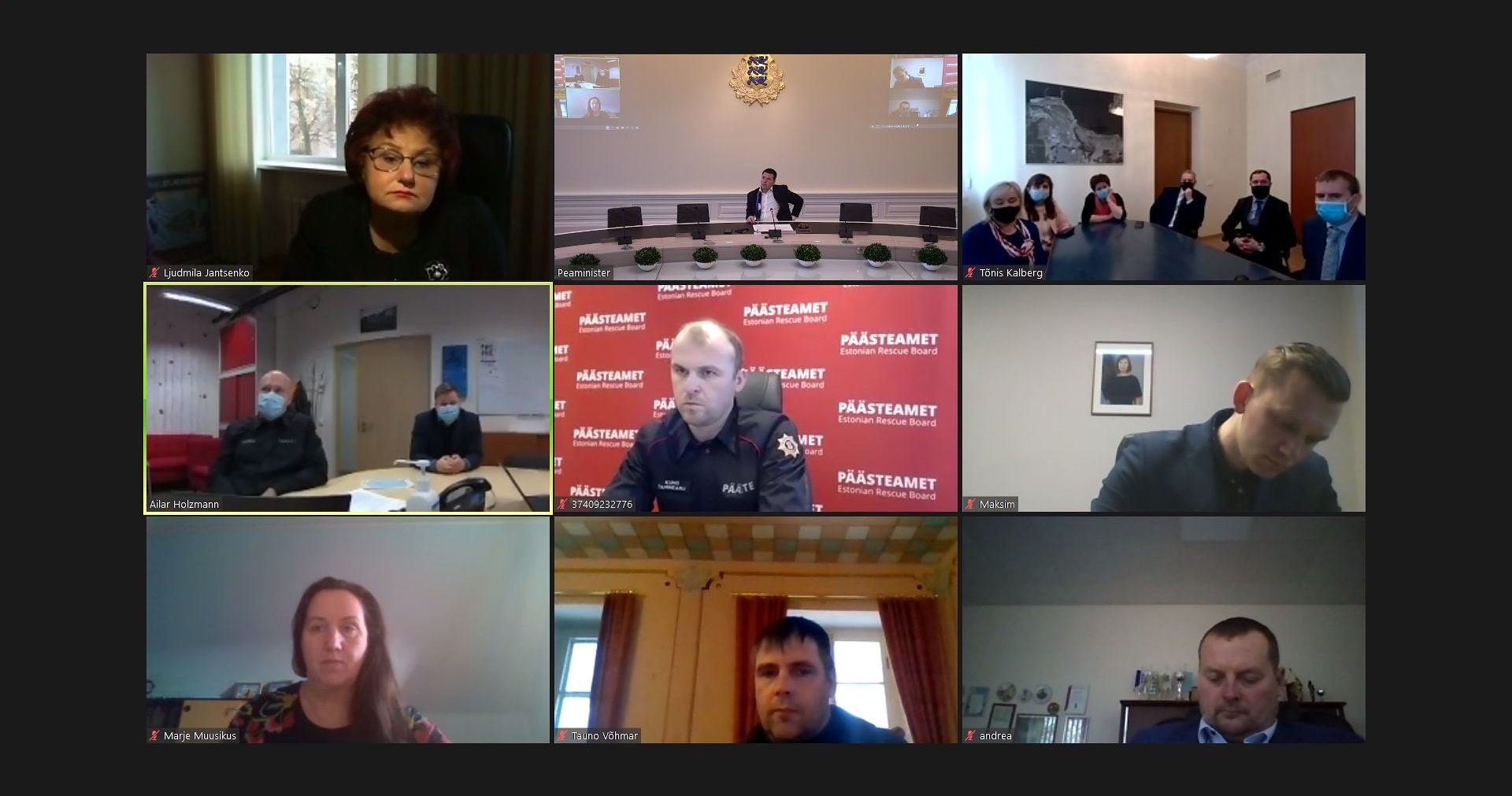
Did you know online dispute resolution does not just mean court on Zoom?

It is important to note that online dispute resolution is not just limited to virtual hearings. According to Queensland barrister Katrina Kluss, it encompasses any dispute resolution that ‘is facilitated or assisted by information and communication technology.’ According to Kluss, online dispute resolution tools fall into three key categories: facilitative, advisory and determinative.

Facilitative technology

Technology facilitated dispute resolution encompasses all tools that facilitate hearings, such as programs like Skype or Zoom discussed above. However, it can also include technology that facilitates the process in other stages, like facilitating electronic lodging of documents. “E-filing” benefits SRLs by saving time and costs arising from physically delivering documents. Philippa Ryan and Maxine Evers note how it can also assist SRLs in preparing forms/documents by providing drop-down boxes to reduce user error and including links to where SRLs can find further information or sources.

Stenbocki maja Zoom CC BY-NC 2.0 DEED

Advisory technology

One area where there’s significant growth potential is in the AI advisory space, according to computer scientist John Zeleznikow. Legal representation gives litigants the advantage of being able to seek advice about the likely outcome of their case which helps with expectation management and in making an informed decision about if/how to proceed. As Zeleznikow explains advisory technology, like tools that provide reality testing and BATNA (or Best Alternative to a Negotiated Agreement) advice, is ‘a vital cog in supporting [SRLs].’ Giving SRLs access to such technology would also benefit the courts by acting as an inducement to SRLs with limited prospects to drop or settle their case, which in turn would free up court time and resources for more contentious disputes.

Determinative technology

The final, and perhaps most interesting or controversial, of Kluss’ category of online dispute resolution is determinative technology; software that issues decisions based on data analysis. Such tools would obviously allow for quick and cheap (or even free) resolutions, which would be undoubtedly appealing for an SRL. For this reason, it has gained popularity in the e-commerce space.

A likely familiar example used by Colin Rule is the electronic marketplace, eBay. Due to the nature, sheer volume and relatively minor sums involved in eBay disputes, speed and cost efficiency is paramount. Accordingly, eBay realised that providing a facilitative resolution model wouldn’t be sustainable, so it opted for a fully automated dispute resolution program that is able to conduct problem diagnosis and technology-assisted negotiation, and finally make decisions if negotiations are unsuccessful. This program is used to resolve 60 million disputes annually.

In addition to being quick and cheap, Rules argues that AI determinations can provide a greater degree of consistency and thus certainty in dispute resolution by removing the fickleness of human judgement, which leave SRLs more satisfied given their outcome is more likely to be consistent with similar cases. However, whilst there’s undoubtedly value in embracing this kind of technology for certain disputes, as Kluss explains, where disputes are complex, emotionally charged and/or financially significant –

‘the absence of human insight, empathy, and guidance, provided to users of [online] dispute resolution platforms … is susceptible to creating, rather than abating, confusion among defendants thereby detracting from the intended benefits.’

Finally, it’s likely that some SRLs will be wary of, or reluctant to embrace, automated/algorithmic decision-making, especially following the “Robodebt” scandal; where a Royal Commission found the automated decision-making scheme involved was ‘a crude and cruel mechanism’ that resulted in the raising of ‘demonstrably wrong debts’ (final report Vol 1, xxix-xxvi).

Is virtual dispute resolution better for SRLs?

What are the benefits of the use of facilitative technology for online dispute resolution for SRLs in Victorian courts?

Virtual dispute resolution is less intimidating

Appearing in court, or even in alternative dispute resolution processes like mediation, can be incredibly intimidating for anyone, even lawyers, but especially for SRLs who usually lack legal expertise and/or experience with the system, argue Michael Legg and Anthony Song and Stuart Ross and Sophie Aitken. Accordingly, allowing SRLs to appear from their own space, rather than a court/conference room, helps reduce formality and adds an element of arm’s length to the dispute (including by preventing accidental run-ins between parties during breaks), which may make the SRL feel more comfortable when appearing. Notably, it’s quite common for victims of violence or abuse to be self-represented as, according to Zeleznikow, they’re ‘particularly likely to have few resources and little opportunity to obtain the services of a lawyer. Stuart Ross and Sophie Aiken argue that as a consequence, the emotional and physical distance that a remote hearing provides can be especially important.

It reduces travel and related costs

Virtual appearances eliminate the need for SRLs to travel (and thus incur travel-related costs), argue Philippa Ryan and Maxine Evers. This is especially impactful on those living rurally or internationally, those with mobility issues and for parents or caretakers who have to find alternative care arrangements.

The value in having this technology available is notably pronounced when it comes to the preparatory meetings/hearings required before a trial. These pre-hearing appearances are often administrative and commonly short, some even taking mere minutes, so not having to appear physically saves SRLs significant time and costs, say Ryan and Evers.

However, it can make the system less accessible for some

Although virtual dispute resolution improves accessibility for some, it can actually hinder access for others. The Victorian Multicultural Commission argues that, this particularly impact those who don’t have access to the necessary facilities/resources like a computer/phone, stable internet connection and a quiet place to appear, and/or those who lack technological skills. As the Victorian Government identifies in its Digital Inclusion Statement, the most ‘digitally disadvantaged’ Victorians include those living in low-income households, disabled persons, senior citizens, those with low educational attainment and First Nations people. Many of these groups are also significantly overrepresented within our justice system, especially our criminal justice system, so it’s especially imperative that measures and accommodations are available to those without means or skills to access the technology. This may be as simple as keeping available the option of hearings in person or via ‘the much more accessible technology, the telephone’ argues Bridgette Toy-Cronin. It could also mean providing additional supports and resources like online/remote technical support, interpreters and educational programs.

There’s also a lot to be said for the value of a face-to-face conversation when resolving disputes, especially when engaging in alternative dispute resolution. Speaking to someone through a screen can depersonalise the discussions and network or technological issues can affect the parties’ capacity to engage meaningfully and build rapport, says Shira Scheindlin. The Multicultural Commission also identified that mistrust of technology and privacy concerns mean some SRLs are reluctant to discuss confidential matters online, which can also hinder meaningful engagement.

Technology problems can hamper participation in ODR: ‘I’m not a cat’: lawyer gets stuck on Zoom kitten filter during court case: source Youtube

Problems also potentially arise in relation to virtual cross-examination of witnesses as examiners can’t properly read demeanour or body language over video. This would make the task especially difficult for SRLs who can’t fall back on witness examination experience.

Conclusion

Embracing online dispute resolution is one of the most significant steps courts can take to better meet the needs of SRLs, as it has the potential to make justice cheaper, easier and more accessible. However, like with any innovation, it’s imperative that change is not so quick or drastic that it leaves people behind. Noam Ebner and Elayne Greenberg argue that the primary way to safeguard against this is to ensure there’s appropriate consultation and input in the development and roll out of new technologies from all justice stakeholders, including layperson litigants. 

In short, we must embrace technology to make our legal system more accessible to SRLs, but we must be strategic to ensure we are not leaving the most vulnerable behind. 

About Sarah West

Sarah has just completed her Bachelor of Arts and Laws (Honours) double degree at Monash University. In her Arts degree she majored in Criminology.

Sarah has just begun as a graduate at MinterEllison Lawyers and is currently rotating through the Statutory Compensation team. Through her studies, Sarah developed a passion for understanding how we can make our legal system more accessible to individuals.